
Rethinking the English Literature Canon Through Global and Postcolonial Perspectives
Rethinking the English Literature Canon Through Global and Postcolonial Perspectives Introduction A literary canon can seem like a settled list of works passed from one generation of readers to the next. But every selection reflects ideas about value, inheritance and whose experiences deserve attention. The English literature canon is not simply discovered; it is assembled, taught and revised. Rethinking the canon through global and postcolonial perspectives does not mean abandoning close reading or dismissing older texts. It means asking what a familiar reading list leaves out, how its boundaries were drawn and what we learn by reading works from different histories alongside one another. This is more complex than replacing one fixed list with another. These questions help readers understand how the English literature canon has taken shape over time. The question is not simply whether a text belongs, but what readers see when it is placed beside other voices.…

How Oral Histories Reveal the Social Impact of Urban Redevelopment
Introduction Urban redevelopment is often described through visible changes: a cleared site, a new building, a redesigned streetscape. Official accounts tend to focus on investment, housing and projected growth. These measures matter, but they cannot show how change feels to the people who experience it. Oral history helps fill that gap. Conversations with residents, shopkeepers, workers and former tenants preserve details planning documents often miss: where neighbours gathered, how a rent increase changed a household’s choices, or which familiar places disappeared before anyone thought to record them. These accounts do not replace architectural or economic evidence; they show its human consequences. As a form of social research, this approach makes everyday experiences part of the record. The challenge is to listen without treating any one story as the whole truth. Used well, oral history shifts redevelopment from a story told about a neighbourhood to one shaped with the people who…

First-Generation Students and the Belonging Gap
First-Generation Students and the Belonging Gap Introduction Admission is the opening whistle, not the finish line. For first-generation students, getting into university can mean crossing a boundary their families have never crossed. Feeling at home there is another challenge, shaped by rules that are rarely written down. For many first-generation students, this gap between admission and feeling welcome shapes the student experience from the very first semester. These difficulties are often misunderstood. A student who hesitates to approach a lecturer, misses a networking event or struggles to understand financial-aid information may be seen as disengaged. In reality, they may be navigating expectations that other students learned at home. The barrier to belonging is not just gaining admission. It is being able to participate without constantly decoding the culture around you. Access opens the door; everyday practices determine who feels welcome to walk through it. Higher education access therefore depends not…
The Role of Translation in Preserving Indigenous Languages
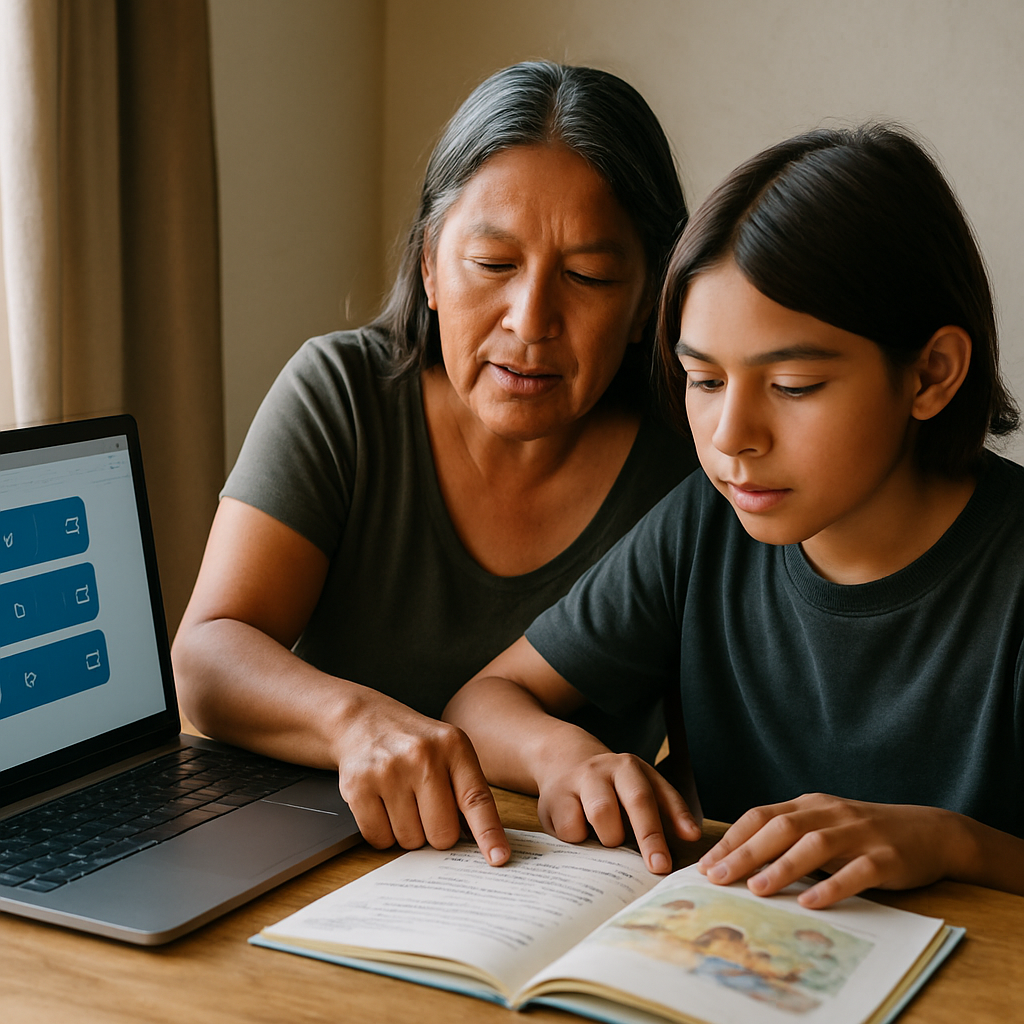
The Role of Translation in Preserving Indigenous Languages Introduction Translation can connect languages. For Indigenous communities, it can also bring knowledge into classrooms, public services and digital spaces while keeping the language in use. When guided by speakers, translation can help indigenous languages reach new generations without separating words from the communities that give them meaning. But translation raises questions of control: who decides what is translated, what is shared and what is left out? The issue is not whether Indigenous languages should be translated, but whether translation supports a living language or turns it into an artifact for outsiders. Work with indigenous languages must respect the choices of their speakers. There is no single approach that works for every community. Each language has its own history, speakers and relationship with writing. Decisions that work in one place may not work in another, so language preservation must begin with local…

How Digital Humanities Methods Are Changing the Study of English Literature
Introduction Literary scholarship has always relied on its tools: manuscripts, editions, catalogues and the patient work of reading. Digital humanities adds computation to this mix, helping scholars ask questions about English literature that are hard to pursue one book or author at a time. In this way, digital humanities extends familiar scholarly practices rather than replacing them. The shift is not from interpretation to machinery. It is from treating a handful of examples as the whole field to testing patterns across larger collections, then returning to individual passages to understand what those patterns mean. Digital humanities makes this movement between scale and detail easier to pursue. This changes the scale of the argument, not the need for one. A chart can show a recurring word, and a network can map relationships, but neither can explain on its own why a writer made a choice or how a reader might experience…